Blog
Notes on running a service desk with a lean IT team
How ServAIceDesk works, why it is built the way it is, and practical ideas for IT teams that look after their own infrastructure and security.
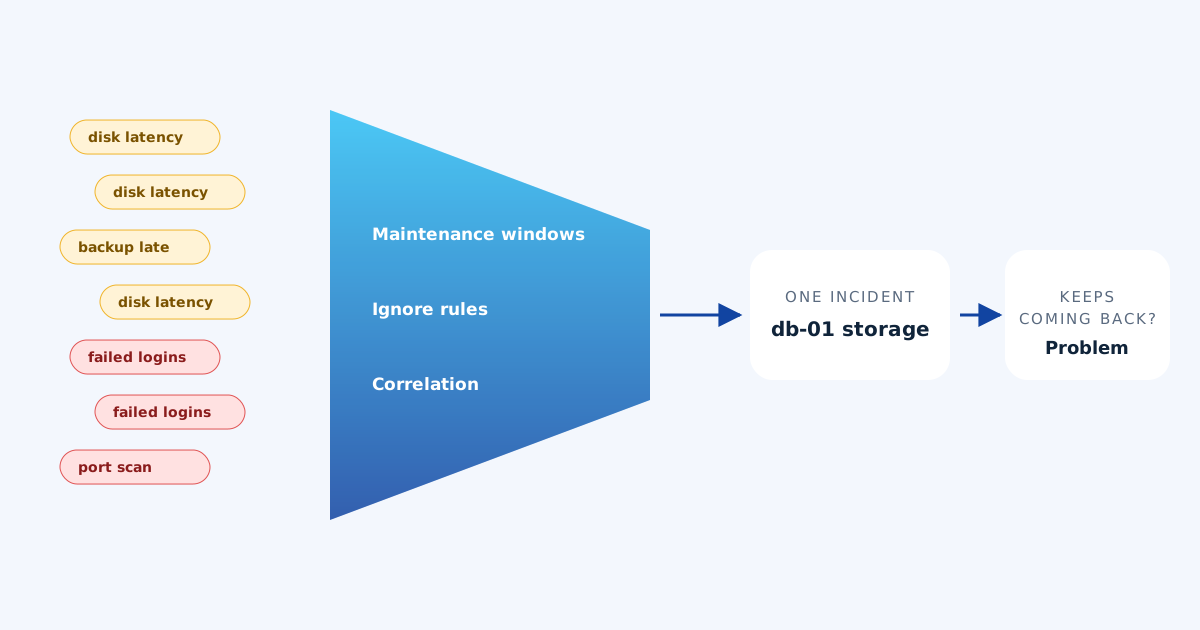
From noisy alerts to one incident: monitoring and security events in ServAIceDesk
Monitoring and security tools produce far more alerts than a small team can read. ServAIceDesk correlates them, respects maintenance windows and ignore rules, and opens one incident with the context attached.
Read the article →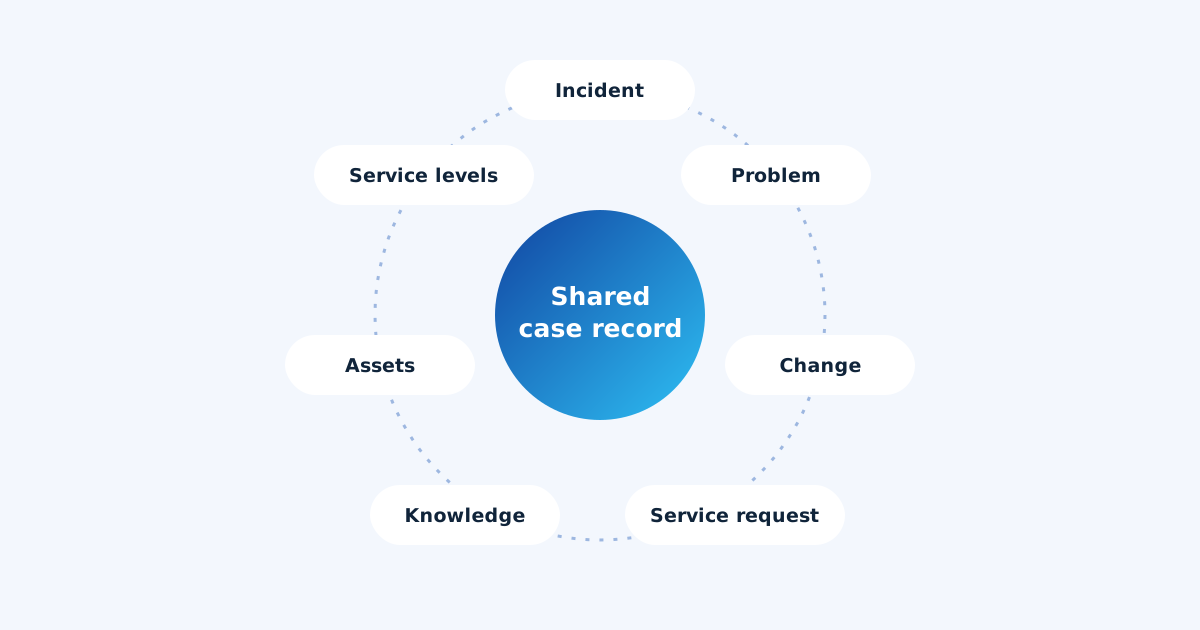
Every ITSM practice, connected: incidents, problems, changes, requests and assets in one flow
ServAIceDesk covers the core ITSM practices — incident, problem, change, service request, knowledge, assets and service levels — and links them so each one makes the others smarter.
Read the article →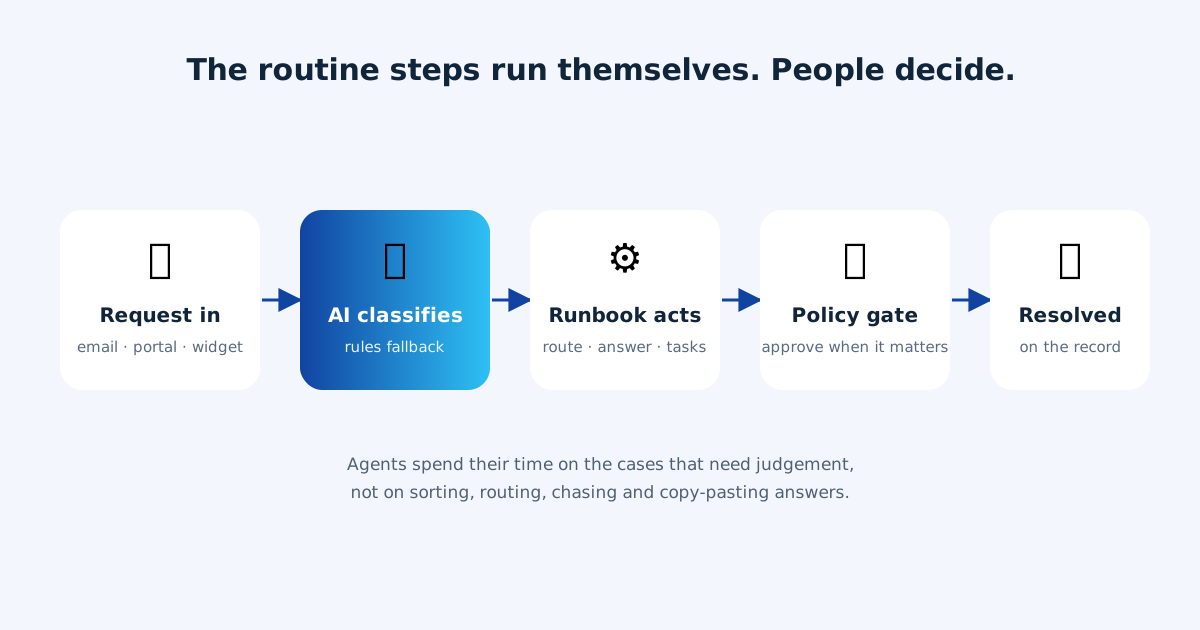
Doing more with a lean IT team: how ServAIceDesk uses AI to take work off people
Sorting, routing, answering the same questions and chasing approvals eat a small IT team's day. Here is how ServAIceDesk automates that routine work while people keep the decisions.
Read the article →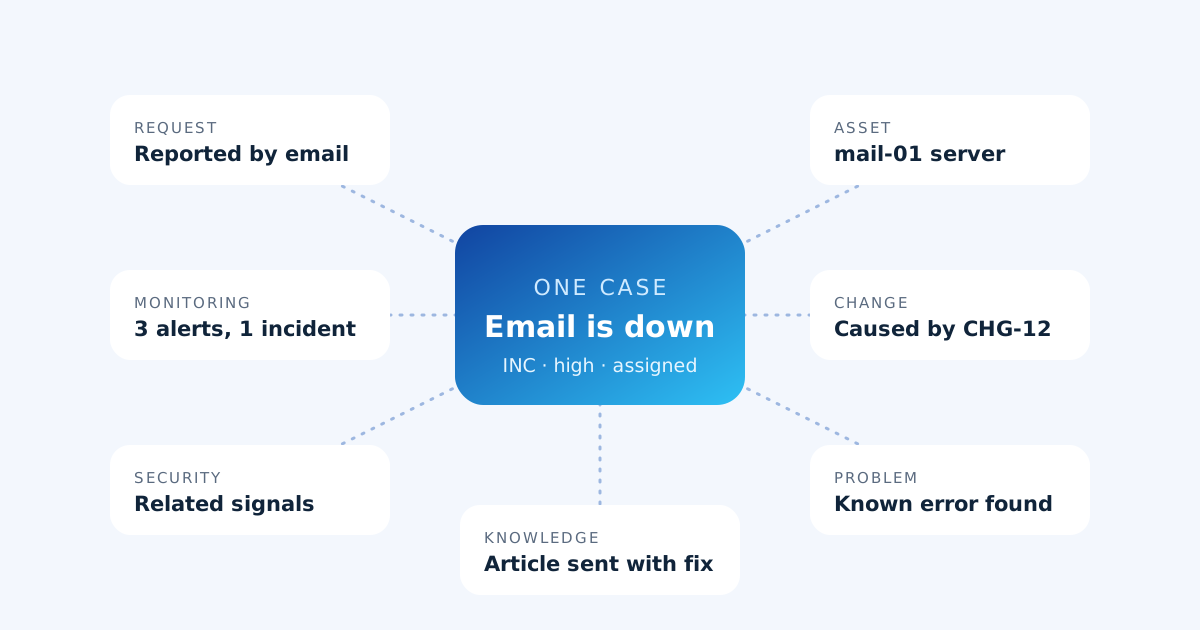
One case, the whole story: what makes ServAIceDesk different
Most service desks split a single problem across tickets, monitoring tools and spreadsheets. ServAIceDesk keeps the request, alerts, security signals, assets, changes and the fix on one case.
Read the article →